


Persian carpets are more than just floor coverings; they are storytellers of culture, art, and identity. Each motif and color woven into a carpet reflects centuries of heritage and artistic expression. At Nourimode, carpet design and mapping are not merely technical processes but creative journeys that connect tradition with contemporary design and future aesthetics.
Today, carpet design generally follows three main approaches: traditional, minimalist, and modern patterns. Each style carries its own visual language and can complement different architectural spaces and interior design concepts.
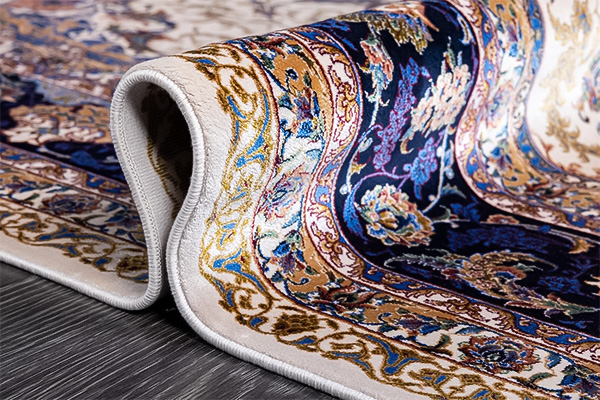
Traditional carpet patterns are deeply rooted in the history and artistic heritage of Iran. Over centuries, these designs have evolved across different regions, each contributing unique motifs and stylistic elements to Persian carpet design.
Patterns such as Lachak‑Toranj, Shah Abbasi, Afshan, Boteh Jegheh, Khesti, and Eslimi are among the most recognizable classic designs. These carpets often feature precise symmetry, intricate details, and rich color palettes such as deep red (laki), navy blue, turquoise, and ivory.
In traditional carpet mapping, every motif and knot has a defined place and meaning. Elements are arranged carefully to create harmony and balance within the composition. The geometric structure of these designs is meticulously calculated, often relying on repeating motifs and central symmetry. This precision and artistic discipline are part of what makes Persian carpets renowned worldwide.
With the evolution of contemporary architecture and lifestyle, carpet design has also embraced minimalism. Minimalist carpet design focuses on simplicity, balance, and the removal of unnecessary details.
These carpets typically feature open spaces, subtle textures, and neutral color palettes such as beige, cream, gray, and soft taupe. Simple geometric forms, delicate lines, and understated patterns define this aesthetic.
Although minimalist designs may appear simple, carpet mapping in this style requires exceptional precision. Small changes in proportion, spacing, or color can significantly impact the overall visual harmony. Designers must therefore carefully consider composition, scale, and color balance to achieve a refined and elegant result.
Minimalist carpets have become especially popular in modern, Scandinavian, and contemporary interiors, where clean lines and calm visual environments are key elements of the design.
Modern carpet design represents innovation, experimentation, and contemporary artistic expression. In this approach, designers move beyond traditional frameworks and explore new visual possibilities.
Modern carpet patterns may incorporate abstract forms, unconventional color combinations, varied textures, or dramatic scale contrasts . Many of these designs are inspired by contemporary art, graphic design, and modern architecture.
Carpet mapping for modern designs is often developed using digital design software , allowing designers to experiment with multiple layouts, colors, and textures before production. This process enables greater flexibility and creativity in developing unique and expressive pieces.
Modern carpets are particularly suitable for contemporary architectural spaces, luxury interiors, hotels, galleries, and international markets, where bold design statements are often appreciated.
At Nourimode, our design philosophy blends the strengths of these three approaches. We draw inspiration from the authenticity of traditional Persian patterns, embrace the clarity and balance of minimalist design, and incorporate the bold creativity of modern aesthetics.
The result is a collection of carpets that honor heritage while reflecting contemporary design sensibilities—pieces that feel both timeless and innovative.
Nourimode carpets are therefore not only decorative elements within a space but also artistic creations that form a bridge between **tradition, modern simplicity, and forward‑thinking design.